When you think of addiction what images are conjured up in your mind?
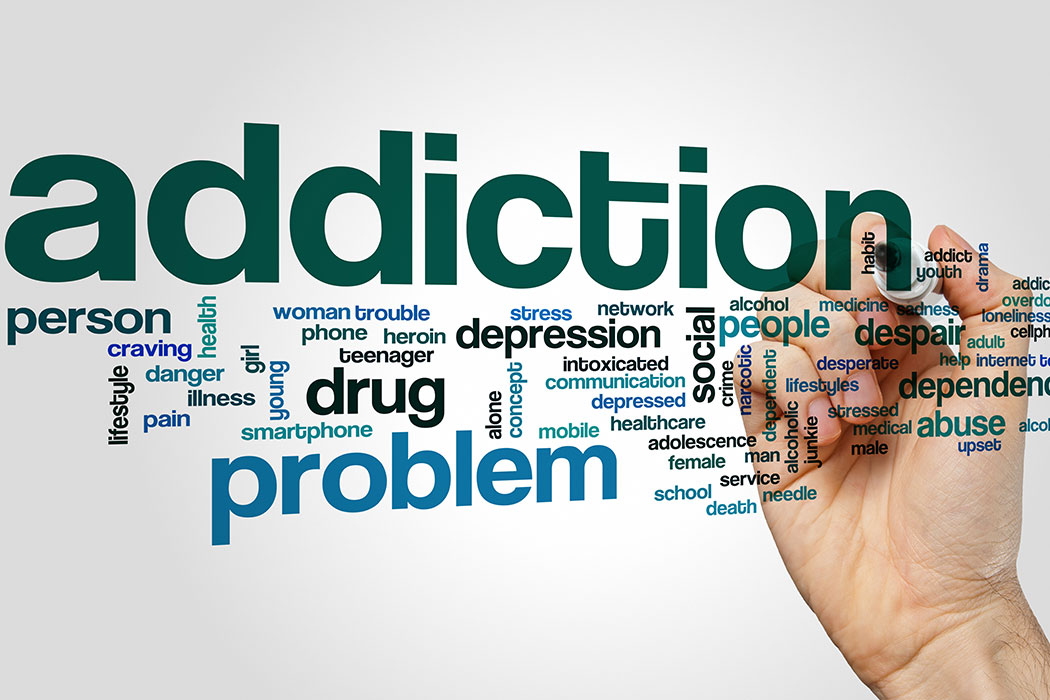
It’s probably a negative image of someone who may be involved in criminal activity, in poor health and someone who’s life is slowly slipping away. Perhaps your view is far more judgemental and you have a very dim view of drug users. Actually, in as much as addiction can & does ruin the lives of people, some addicts are functioning and may go about servicing their addictions without anyone ever noticing their behaviours.
Whatever your view, I hope you find this article informative and helps you find an improved understanding.
When we think of addiction, we often think of behaviours associated with a physical dependence on substances such as alcohol & drugs, which are often bad for the individual, both physically, mentally, & often with dire consequences for their social & economic lives; Addiction is a compulsion that drives behaviours that often have very negative consequences for the addict & those around them but actually there is a great plethora of things we can become addicted to and includes:
- Substances like alcohol, drugs (both legal & illegal), tobacco, caffeine
- Gambling
- Social Media
- Pornography
- Sex
- Gaming
- Internet use
- Shopping
- Food
This is obviously not an exhaustive list!
Generally, addictions are divided into two separate groups known as physical addictions & behavioural addictions. Physical addictions include substances that are a factor in a physical dependency while behavioural addictions are characterised by a psychological dependency including things like gambling, sex & porn.
There is no single cause that we can point to in explaining why someone develops an addiction but we do know that there are factors that make addiction more likely.
There are three basic factors: Substance, Environment, and the Individual:
Environment: Research has shown time & time again that the environment we’re exposed to plays a major role in the development of addiction. Those who grow up in or live in challenging circumstances are far more likely to develop problems with addiction. For example, if you were a victim of child abuse or neglect you are between 4600% & 5000% more likely to develop a substance use disorder in adulthood; If you grow in a household where one of your parents is an alcoholic, the probability of you developing a substance addiction is far greater.
Individual: Let’s think briefly about genes. There is evidence that suggests that genes do play a role in addiction. However, the picture is not as simple as having a particular gene makes you an addict. It seems that some gene variances can effect the way the brain deals with certain substances that can cause some individuals to experience a more intense experience and that can cause problems. But, as described above, of greater consequence is our life experience and circumstances we are in.
Substance: There is no doubt that some substances are more addictive than others and the method of consumption is critical as well but there are some major holes in our understanding if we simply think that it’s all down to the specific substance. For example, we often think of heroin as being extremely addictive but if we accept that we need to explain why the vast majority of hospital inpatients who are prescribed opioids for pain management over significant periods of time don’t go on develop dependencies when they are discharged. During the Vietnam war American soldiers often used heroin during downtime between fighting. Yet, on their return home from active service less than 5% continued to use opioids. However, with some behavioural addictions we note that products can be & are designed with known specifically addictive properties. A good example of this would be some of the products & services provided by the gambling industry.
Breaking addiction & recovery is a tough nut to crack but to do so the above three factors need to be taken into account. If you would like to talk about addiction contact us at BroadMinds Therapy for a free, discrete, private & confidential discussion by calling 0899420568, email help@broadmindstherapy.org or message us via this website or our facebook page http://www.facebook.com/jpbroad
Over the next few weeks we’ll be looking more closely at some of things people become addicted to so watch this space if you’d to know more.
Finally, Thank you for taking to time to read this. Please like & share to help us reach & help as many people as possible.
Take care. Stay safe.

 Integrative Counselling And Psychotherapy