

I clearly remember, like most children, asking a lot of questions when I was young. One question that sticks in my mind was why do the dates of Easter change every year? It didn’t really make sense to me.
If it was supposed to mark the period towards the tend of the life of Jesus, how could it be on a different date each year?
I never managed to get a satisfactory answer from the adults in my life which only served to foster distrust in the story.
Much later in life I stumbled across an answer that seemed to fit. The reason being that Christianity had appropriated Easter from Pagans many years ago and then ostracised paganism by linking it with satanism. A story itself, which left me even more distrustful of the institutions of religion.
Pagan’s apparently worked to a luna cycle and that’s why the dates change every year.
Now, I don’t know whether that’s true or not but it satisfied my curiosity for the time being.
Never the less, whether or not you are Christian, the story of the end of the life of Jesus represents, for me as a psychotherapist, a story of resilience; And this provides me with the perfect topic for this anniversary post.
What is resiliency?
It means different things to different people.
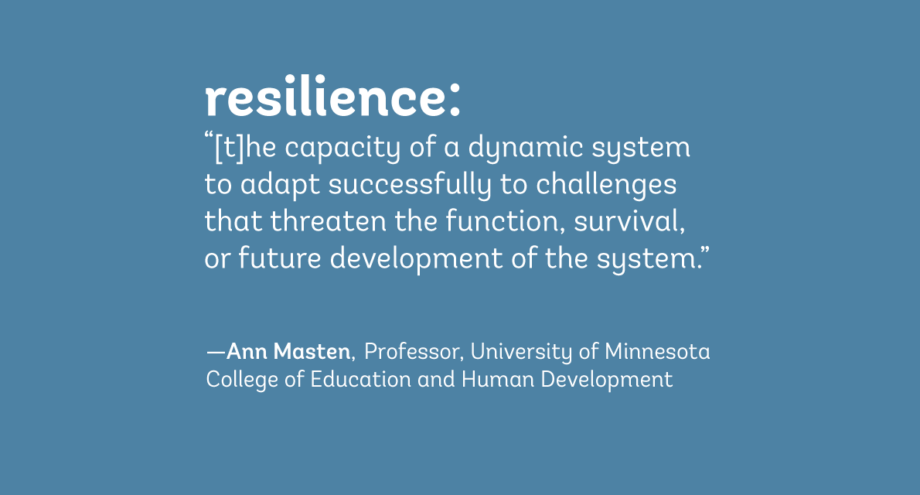
We can consider resiliency to be a measure of resistance to illness and injury, or quick recovery when such things happen.
We might think of it as an ability to endure and triumph against adversity.
We can also consider it to be a similar story when faced with challenges to our mental health.
All of these factors I consider to be relevant to our consideration. Afterall, we all know that illness and injury can effect our mental health, and vice versa; And we all know that how we handle life’s challenges are not only indicative of our resiliency but also impact on our resiliency, itself.
But the key question for you reading this, is probably, how do I measure my own resiliency and how can I improve it?
We can think of this in both subjective and objective terms.
Think of all the challenges you’ve face in your lifetime and consider how well you handled them at the time, and what the mid to long term effects were.
You will find that you are indeed resilient, but probably resilient in some ways while not in others.
There’s no shame in that. It’s the same for us all.
The first step then, is to be honest with yourself and identify areas of strength and weakness for yourself.
You may find that you bounce back from illness and injury well, but you have struggled with the way you were parented.
Identify where the deficits in your resilience lie and then develop strategies and plans to address those areas.
I’ll use myself as an example.. My own resilience quotient testing shows good resilience but there is a little room for improvement when dealing emotions such as sadness and feelings of rejection.
Now that I know this, I can make plans to develop a deeper connection with unpleasant emotions like sadness and feelings of rejection. Armed with this information, I now plan to enhance my self-awareness and discuss these in personal counselling, which all counsellors and psychotherapists usually regularly undertake.
Simple, but effective.
So I advise using the extra time you have this weekend to consider your own resilience and get in touch with us if you’d like to work on that. Happy Easter everyone!
If you would like to talk about mental health issues, whether it be for yourself or someone you know feel free to contact BroadMinds Therapy for help & advice. Call (+353) 0899420568, email help@broadmindstherapy.org , message us via this website, or visit our facebook page http://www.facebook,com/jpbroad for more information.
Finally, if you like what you read please like & share to help us reach & help as many people as possible.
Thanks for taking the time to read this article.

 Integrative Counselling And Psychotherapy