
With self-harm rates on the increase and it being a coping mechanism that the young are increasingly turning to, let’s consider how we prevent self-harm in the first instance; And how do we support sufferers and help them develop better coping mechanisms.
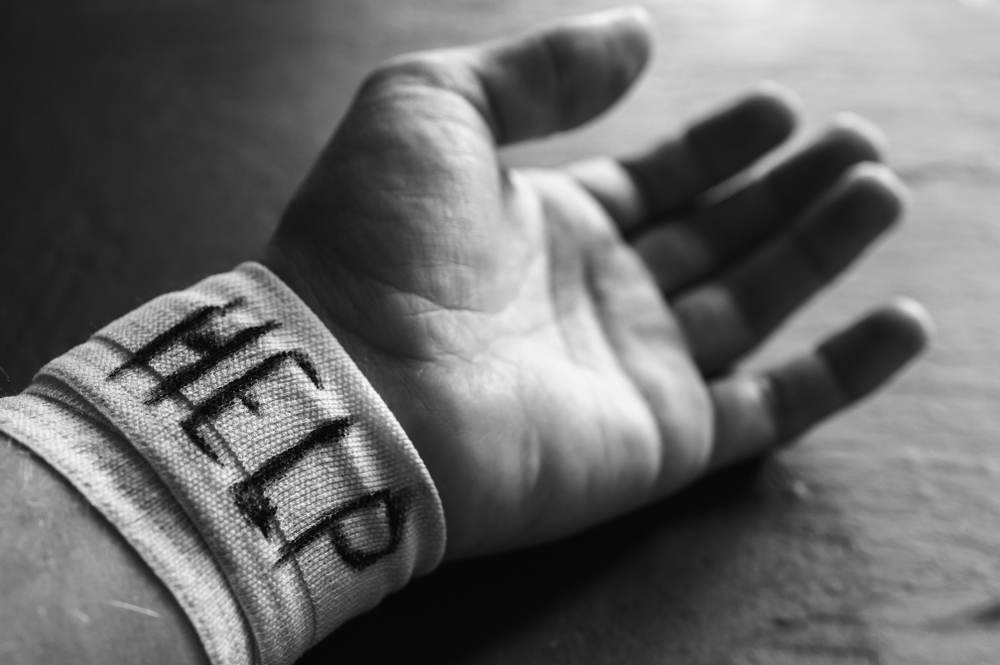
Preventing vs Cure:
We start from the premise that prevention is preferrable to cure. Preventing mental distress that can result in mental illness begins before children are even born. People are often quick to accept that factors like diet & nutrition are important for pregnant mothers, but less so when considering their own childhood history. In short, the adverse childhood experiences of parents can have dramatic influences on the childhood of their children. My point being that addressing your own mental health can be a very important step if you want to make a good job of being a parent, yourself; And subsequently, your child’s ability to parent well. Parenting & child development is a topic for discussion another day, but to say that supporting parents to help them be the best they can at the most important job we have in society is surely something we should all aim for.
So how do we nurture the kind of mindset and good coping skills in our children that will serve them well as they face the tries & tribulations that life will inevitably present?
It has long been shown that children who develop healthy, secure attachment bonds with their parents are much less likely to suffer with mental distress in later life; Develop fulfilling intimate relationships with others, maintain & regulate their emotions, feel confident and good about themselves, enjoy the company of others, cope better with disappointment & loss, and are better at sharing feelings and seeking help when needed. You can find some great tips on helping to nurture such a bond on: https://www.helpguide.org/…/building-a-secure…
Consider common reasons why people self-harm – Consider whether a friend or family member is experiencing any of the following and think about how well they are coping with these – What are their coping techniques & strategies and are they effective?
Work or school based stress
Bullying or coercion
Financial problems
Being a victim of abuse, including physical, verbal & sexual
Loss & Bereavement
Confusion over sexuality
Confusion over sexual identity
Relationship dysfunction & loss
Job loss
Illness & poor health
Low self-esteem
Increases in stress levels
Depression & anxiety
Feelings of anger & numbness
These are also common factors in other kinds of mental distress so when considering these, you may also uncover other areas of help that an individual needs.
Supporting the sufferer:
Of course, the very fact that self-harm is an increasing problem tells us that we also need interventions that help people who are already suffering. So what can we do to help?
The first priority is to ensure your safety as a helper. Please don’t put yourself in harms way. If necessary call the emergency services.
Assess the severity of any injury that the individual has. If you’re in any doubt about whether or not an injury needs medical attention, don’t think twice. Get medical help. Sometimes this can be difficult – The individual may not want medical attention. All you can do is your best in such an instance. If you think the injury is life threatening, don’t wait for them to agree.. Just call the emergency services regardless of the individual’s wishes. They may not be immediately thankful but hopefully they’ll come to understand your motivations.
If the individual hasn’t yet injured themselves but you are concerned they might be suicidal, again, just call the emergency services & stay with them until help arrives if it’s safe for you to do so. Take the necessary measures to protect yourself – do not put yourself in harms way.
Assuming that the sufferer is not in any immediate danger, the next step is to try to persuade them to seek out professional help. Often the first point of contact is the individual’s doctor. This can present opportunities for the assessment of any injuries, education on the dangers of the methods of self-harm being used, gain access to medicinal treatments as well as consider referrals to psychiatric or psychological support services.
The list of items that can be used to harm one’s-self is pretty much endless. If someone is determined to harm themselves they will find a way. However, you can remove access to any items that are usually used or any other dangerous items that could be used as an alternative. Objects like knives, lighters, needles, scissors are obvious things to look out for. Restrict access to any such items as much as you practically can.
Get professional help. Needless to say that self-harming can be dangerous and the individual concerned will need help to tackle the cause of their problem, not just the self-harming, itself.
Get non-professional help. Help the individual concerned identify & build a strong support network of friends & family that are available and have the right attitudes & qualities to help. It’s serves no one well having people in a support network if they make the individual feel worse or if they’re great at helping but are never available.
In summary, if you are supporting someone who self-harms, keep it simple. You don’t have to solve their problems for them.. Just listen without judgement & accept the individual concerned as they are. Get medical help if there are any immediate concerns but always seek professional help to address the ongoing problem.
If you recognise these signs in yourself or someone you know, it’s time to consider getting some professional help. Always remain aware of potential needs for medical assistance. If you or someone you know is suicidal then do not hesitate to contact the emergency services as soon as possible.
If you would like to talk about self-harm, whether it be for yourself or someone you know feel free to contact BroadMinds Therapy for help & advice. Call (+353) 0899420568, email help@broadmindstherapy.org , message us via this website or visit our facebook page for more information: https://www.facebook.com/jpbroad/
Finally, if you like what you read please like & share to help us reach & help as many people as possible.
Thanks for taking the time to read this article.

 Integrative Counselling And Psychotherapy