
What if I told you that this ATM is one of the most dangerous objects known to mankind?

For people struggling with PTSD benign objects and circumstances can trigger episodes of severe stress, anxiety & panic.
Imagine the following situation: A man approaches an ATM, debit card in hand ready to withdraw some money. As he does so, another person approaches him from behind, holds something sharp to his back and threatens to harm him if he doesn’t withdraw the maximum amount.
It’s easy to understand how the victim could feel traumatised by this event and the very sight of an ATM or a need to use one in future might be a very stressful experience.
To the onlooker, the person panicking about the ATM, behaving aggressively around them, or zoning out at the sight of one, there seems to be no obvious reason for the unusual behaviour of the sufferer. To the insider, however, an internal overwhelm is spilling over into the external world. What the rest of us see can be very confusing, seem irrational, sometimes threatening, frightening or violent. Because the battle the sufferer fights is hidden, others struggle to understand and eventually the sufferer becomes more & more isolated as relationships erode and they withdraw from public life to one that is often defined by depression and self-destructive lifestyles like substance abuse & self harm; Behaviours which can isolate them further by destroying their closest relationships and sometimes drawing blame & judgement from others who may just see someone tearing their own life apart and often hurting others in the process. They don’t see how it came to this.
Triggers, as with the ‘ATM’ example above, bring the trauma back to life in the present moment for those with PTSD, as if they were experiencing the trauma afresh. They can experience flashbacks when triggered and dissociation which presents as a zoning out – a disconnect with reality in the present moment, sometimes called ‘The Thousand Yard Stare’ evident in the picture below:
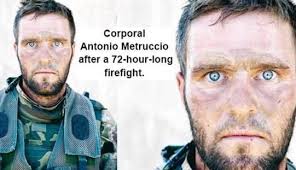
Related thoughts, feelings & images flood the mind and seem inescapable, often at night leaving sufferers unable to sleep. To ease the anxiety & intrusive thoughts, sufferers often self-medicate with alcohol or drugs, which, of course, can lead to addiction and all the related consequences. Guilt, shame & embarrassment are common as are feelings of hopelessness & helplessness.
However, as all-pervasive as PTSD is, there are evidence-based treatments that are proving successful for many in helping with PTSD.
If you would like to talk about PTSD or experiences of trauma get in touch with us at BroadMinds Therapy for a free, discrete, private & confidential consultation and see how we can help you. Call 0899420568, email: help@broadmindstherapy.org, message us via this website or visit our facebook page: http://www.facebook.com/jpbroad
If you like what you read, please like & share to help us reach & help as many people as possible.
Thanks for taking the time to read this article.

 Integrative Counselling And Psychotherapy