
Our focus for this week will be on the dark & difficult subject of self-harm. Self-Harm is usually a coping technique that people use when struggling to deal with emotional or psychological distress. Those affected often find it easier to cope with physical pain than the emotional or psychological pain they otherwise endure.
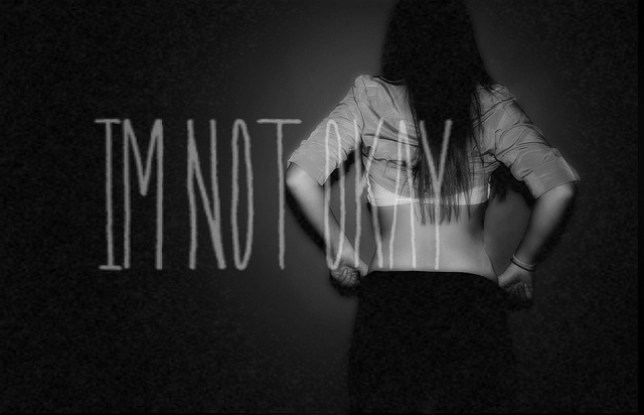
Rates of self-harm in Ireland & the UK are on the increase. Specific figures for it’s prevalence in the general population are difficult to attain, mainly because it is often carried out in private & usually goes unnoticed & unreported. Figures collected typically represent only those cases where a person has presented for medical treatment as a result of self-harm but crucially, estimates suggest that around only 10% of self-harmers ever present at a hospital for help with their self-inflicted injuries. However, it is clear that the numbers of people reporting for help with self-harm injuries are on the increase. Pieta House have reported a 23% increase in the numbers of people contacting them for help with self harming behaviour since 2017, and there are worrying reports that suggest that as many as 13% of children between the age of 10 & 16 have self-harmed – This figure is rising. Estimates put it’s prevalence in wider society at around 6% of the population. It is more prevalent in young females than in young males.
So what is Self-Harm and what are the warning signs to look out for?
What is Self-Harm?
Self-Harm can be defined as any behaviour acted-out with the intention of physically harming yourself in some way. Common examples might include, but are not limited to:
- Cutting
- Scratching
- Burning
- Hitting
- Substance abuse, including drugs (Illegal & legal) & alcohol, among others.
- Over-exercising
- Dysfunctional eating & drinking habits
- Consumption of toxic materials
- Suicidal ideation, planning and acting out
- Pulling out hair or eye lashes
- Dangerous sexual practices
…. The list is potentially endless and we must remain open-minded about different forms of self-harm in order to identify it & act accordingly.
So what are the warning signs?
Spotting self-harm in others can be difficult. Self-Harmers often injure themselves in areas that aren’t often visible to others, for example on the torso or upper thighs; And where injuries are to more visible areas like the lower arm, long sleeves maybe worn to conceal the injuries.
- Unexplained or unlikely explanations for wounds or signs of previous wounds
- Covering up – Self-harmers often wear clothing or try to conceal their wounds in some way
- Hair loss
- Substance abuse
- Self-loathing & a desire to harm oneself
- Expressing or feeling a desire to end ones life or not go on
- Becoming withdrawn and not wanting to engage with others
- Changes in eating habits, including secretive eating
- Unusual changes in weight &/or, shape
- Low self-esteem – Feeling like you are not good enough, undeserving of love & care – perhaps of life itself; Or feeling like you are to blame for all your problems
- Feeling depressed, including persistent low mood, a lack of motivation or interest in things, generally.
It is estimated that between 50% & 80% of people who have attempted suicide have self-harmed in some other way within the year preceding their suicide attempt. This doesn’t mean that most people who self-harm will go on to attempt suicide but it does highlight the gravity of what can happen if self-harm goes on untreated. It is also worth noting that death can result of self-harming behaviours even if death wasn’t the intended outcome.
Supporting the sufferer:
Of course, the very fact that self-harm is an increasing problem tells us that we also need interventions that help people who are already suffering. So what can we do to help?
- Your Safety: The first priority is to ensure your safety as a helper. Please don’t put yourself in harms way. If necessary call the emergency services.
- Assess Injuries: Assess the severity of any injury that the individual has. If you’re in any doubt about whether or not an injury needs medical attention, don’t think twice. Get medical help. Sometimes this can be difficult – The individual may not want medical attention. All you can do is your best in such an instance. If you think the injury is life threatening, don’t wait for them to agree.. Just call the emergency services regardless of the individual’s wishes. They may not be immediately thankful but hopefully they’ll come to understand your motivations.
- Get Help: If the individual hasn’t yet injured themselves but you are concerned they might be suicidal, again, just call the emergency services & stay with them until help arrives if it’s safe for you to do so. Take the necessary measures to protect yourself – do not put yourself in harms way.
- Encourage Help-Seeking: Assuming that the sufferer is not in any immediate danger, the next step is to try to persuade them to seek out professional help. Often the first point of contact is the individual’s doctor. This can present opportunities for the assessment of any injuries, education on the dangers of the methods of self-harm being used, gain access to medicinal treatments as well as consider referrals to psychiatric or psychological support services.
- Remove High Risk Items: The list of items that can be used to harm one’s-self is pretty much endless. If someone is determined to harm themselves they will find a way. However, you can remove access to any items that are usually used or any other dangerous items that could be used as an alternative. Objects like knives, lighters, needles, scissors are obvious things to look out for. Restrict access to any such items as much as you practically can.
- Get professional help. Needless to say that self-harming can be dangerous and the individual concerned will need help to tackle the cause of their problem, not just the self-harming, itself.
- Get non-professional help. Help the individual concerned identify & build a strong support network of friends & family that are available and have the right attitudes & qualities to help. It’s serves no one well having people in a support network if they make the individual feel worse or if they’re great at helping but are never available.
In summary, if you are supporting someone who self-harms, keep it simple. You don’t have to solve their problems for them.. Just listen without judgement & accept the individual concerned as they are. Get medical help if there are any immediate concerns but always seek professional help to address the ongoing problem.
If you recognise these signs in yourself or someone you know, it’s time to consider getting some professional help. Always remain aware of potential needs for medical assistance. If you or someone you know is suicidal then do not hesitate to contact the emergency services as soon as possible.
If you would like to talk about self-harm, whether it be for yourself or someone you know feel free to contact BroadMinds Therapy for help & advice. Call (+353) 0899420568, email help@broadmindstherapy.org , message us via this website, or visit our facebook page http://www.facebook,com/jpbroad for more information.
Finally, if you like what you read please like & share to help us reach & help as many people as possible.
Thanks for taking the time to read this article.

 Integrative Counselling And Psychotherapy