
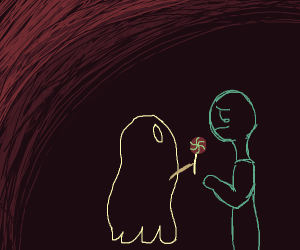
One of the most distressing experiences we may endure in life is that of losing someone close to us. For me, nothing comes quite so close to highlighting our basic human need for connection with others than when we gain life and lose it – that is to say, when we first begin life ourselves or generate it by having children, or when we are ourselves faced with death, either our own or that of someone important to us.
We become ‘attached’ to the people in life that we love and the loss of their presence to us kick starts a distressing process of ‘detachment’ that we commonly call Bereavement & Grief.
Grief can be experienced about any loss and is not confined to the experience of losing someone important to us, to death.
We are used to circumstances in life that pose problems, problems that we can at least attempt to resolve. But death in particular presents a problem that we can’t resolve. We can’t bring people back from death, and accepting that those we love are no longer present in our lives, for any reason, is something that may feel too much to cope with.
This sometimes presents additional issues when those we have lost are alive but have chosen to no longer be a part of our lives, such as with relationship breakdown.
For many, the very idea of ‘detachment’ is resisted when we feel so compelled to remain ‘attached’, to cling to the memory of those we’ve lost in the hope of maintaining a connection. It is no surprise then that grief & bereavement can be such a traumatic experience for us.
Let’s explore some of the typical indicators of grief. What follows is not intended as a checklist of symptoms or something against which you can measure your grief reaction. It is simply a list of common experiences when grieving. I hope that if you’re grieving and take the time to read this, some crumb of comfort may be gained in learning that you are not alone in your experience, and a conversation may be opened about what is, for many, a misunderstood or taboo subject.
Here are some of the feelings we might experience when grieving:
• Anxiety – This might be experienced as a fear that you may die too, questions about how you may cope without the person lost, or of a general loss of control.
• Anger – This is sometimes directed at the person who has died for having left them, or perhaps directed at someone or something else, becoming something on which we can act out our feelings.
• Guilt – We can experience guilt in many ways. Ways that spring to mind in my work as a therapist have been when mothers have miscarried or lost a baby shortly after birth. It’s not uncommon in such circumstances for parents to blame themselves, feeling that they have in some way contributed to the death despite there being little they could have done to avoid it.
• Shock – This is often experienced when death is sudden or unexpected and can include feelings like numbness. It’s thought to be a process that actually serves to protect us, providing a kind of automatic protocol or trip switch which allows us to respond to sudden & unexpected change by insulating us from overwhelm.
• Sadness – Probably the feeling most associated with grief but it’s also one that we often deny.. me included. On the day my father died a plumber visited the house and politely asked how my day had been. I replied ”Fine, thank you” despite my father having died less than 4 hours previously!
• Loneliness – Friends & family are more than just the people we feel most attached to in life. They actually fill the space & time we have in our lives and when they are gone we become aware of the space & time left by their passing. The experience of that can leave us feeling very alone in all that extra space & time.
• Fatigue – Another feeling that can affect our grieving process is one of overwhelming physical & mental tiredness. This can make it very difficult to perform even the most basic of tasks that make up our daily routine. Frustratingly, this can occur at the very time when some feel like they just need to try to get on with things.
• Yearning – A feeling of a need to be with the one we have lost and can exacerbate our pain of having lost someone as the realization takes hold that those we have lost cannot return to us.
• Relief – An experience that can leave us feeling conflicted about the death of a loved one. For example, when a loved one experiences a slow death in which they suffer distress or indignity we may wish for death to come for them to ease their suffering. When it comes it can be accompanied with a feeling of relief that their suffering has ended but can also leave us feeling confused.
We are used to the idea that grief is characterised by sadness & pain so when we feel relief we may question what’s behind those feelings. Needless to say that relief is a common experience & doesn’t necessarily indicate that you loved the deceased any less. It can simply indicate that you desired an end to the pain & suffering.
• Freedom – In a similar way to relief, feelings of freedom can follow the death of a loved one. It may occur when a loved one passes away after a period of needing our care. Also, if they have suffered over a period preceding their death, our experience of witnessing their pain can cause us great distress and we may feel free of the worst of that pain when they pass away. It can give rise to the same sort of conflicted feelings described above with feelings of relief.
There are many common experiences that characterise the human experience of loss that don’t seem to fit with our regular experience of reality and it’s these that I point to below in the hope of helping you feel less alone in your grief.
Some of the common physical symptoms experienced are:
• Tightness in the chest
• Inhibited breathing – Breathing irregularities like sighing more than usual or feeling breathless are something you should get checked out with your Doctor. It can be a somatic response to your state of stress.
• Stomach pain & nausea
• Loss of appetite – It’s quite common for people to lose their appetite or comfort eat during times of high stress & anxiety, including periods of grief & loss. In the very short term, neither are likely to be too problematic but if this goes on for days then problems can start to emerge. Again, good use of your support network & consultation of your GP can be very useful.
• A hollow feeling in the stomach
• Weakness & fatigue
• Dry mouth & thirst
• A sense of depersonalisation – That little seems real or reality feeling like a fantasy.
• Disrupted Sleep – Finding it hard to get to sleep, staying asleep or frequent waking is a common problem when grieving but it can become problematic if it continues for an extended period of time. As you might expect, lack of good rest is likely to affect your cognitive abilities – decision making, memory, concentration, etc – and your moods which can make life difficult for you & those around you. You may also find yourself dreaming more, or having very vivid dreams. It’s important to remember that these are normal, common reactions to grief but if you are finding them particularly bothersome then there are things you can do to help:
- Speak to your G.P. They can check for any physiological causes & consider medicinal supports if necessary.
- Use your support network to talk things through. Consider professional support as part of your network.
- There are some great guided meditations online that help with relaxation and can improve the quality & quantity of your sleep.
• Hallucinations – It is also common to experience hallucinations during the grieving process, particularly during the weeks following loss. Some find this comforting but others find this disconcerting & confusing and can even cause people to question their sanity.
• Some feel hyperactive, restless and a constant need to be busy which is usually a coping strategy, an attempt at distraction from our emotional pain.
Common beliefs & behaviours associated with grief are as follows:
• Disbelief – This can manifest as shock or struggling to accept the reality of having lost someone we love, particularly if death is sudden & unexpected.
• Confusion occurs during grief when we struggle to make sense of the situation and our loss of confidence in our understanding extends to our wider experience of life.
• It’s very common for people to feel a sense of presence; The presence of the those lost. This often happens when we long for their company & companionship, and take comfort from the idea that they remain a presence in our lives in some way.
I would encourage anyone experiencing physical symptoms to follow these up with their G.P. The chances are that these are responses to the grief you are experiencing and there is nothing to worry about but it’s better to play it safe and make sure we don’t attribute something to grief when there is an underlying physiological problem.
• A lack of awareness or being absent minded – Although very common this can be problematic from the start because it can lead to accidents.
• Some feel compelled to withdraw from public & social life, feeling like they just can’t face others. I wouldn’t recommend forcing yourself to socialise during the initial period after losing someone close. It’s understandable that you may want some time to process what’s happened but try to maintain regular contact with few close friends or family members so you have support in place. This normally resides in time & you will hopefully find yourself ready for a social life once more but if you continue struggling with this after a few weeks, then it might be a good idea to seek out some professional support.
• Our tendency to yearn for those lost can lead to us calling out for or searching for those we have lost. Nothing to worry about in the short term but if this is persistent after a few weeks then, again, it’s something to talk through with your support network including professional support.
• Perhaps the most common behaviour during grief is crying. This is actually considered to be quite therapeutic and for some, a necessary part of the grieving process. If feeling very tearful persists for weeks on end it may well be an indicator of unresolved grief that needs some professional help to process.
• Attachment to objects relating to those lost is an experience many will recognise. Most people like some kind of momento of someone who was once close to them who has passed away. However, this can be an indicator of a deeper problem when people hoard items that were once connected to the deceased. For example, some people find it very difficult to part with or even clean the clothing, bed & bed sheets that once belonged to the deceased.
• Preoccupation happens when we experience an inability to think about much else other than the loved one we have lost. Perhaps including the circumstances of their passing, what happens to them after death, either in the physical world or in the afterlife.
Regardless of your experience of grief, I encourage you to keep talking. It doesn’t matter if you haven’t really worked out how you feel or what you think. It doesn’t matter if you say something that you later think sounds silly, naïve, or incorrect. Talking with people in your support network, family, friends, professionals, can help you process your thoughts & feelings and work out what you feel & think. It can help you work out how to move on. And to be clear, ‘moving on’ doesn’t have to mean leaving someone behind. It simply means working out how to carry on with life without them physically present.
For those who know someone bereaved there is often a temptation to avoid talking about the loss for fear of upsetting the bereaved person. You may fear saying the wrong thing or finding that you simply don’t know what to say. I suggest that it’s less about what you say and more about what you do that will make the real difference. If we simply acknowledge the death & let the bereaved know that we are there to support them if needed, our efforts & sentiments will go a long way.
If people don’t want to talk about it, that’s OK & they will let us know quite quickly. But if they know we are there for them when they do need us, at least we have opened up a channel for them when they’re ready to talk.
If you’d like to talk about this or anything for else for that matter, feel free to give me a call on 0899420568, email help@broadmindstherapy.org, or message me directly via this page.
Your message will be handled discretely, and treated as private & confidential.
Finally, if you like what you see please ‘like & share’ so we can reach & help as many people as possible.

 Integrative Counselling And Psychotherapy