
We now move into tiers three & four of Maslow’s hierarchy which extends our focus beyond our basic needs into what are broadly described as our psychological needs.
Tier three concerns our needs for love & belonging including family, friendship, connection & intimacy.
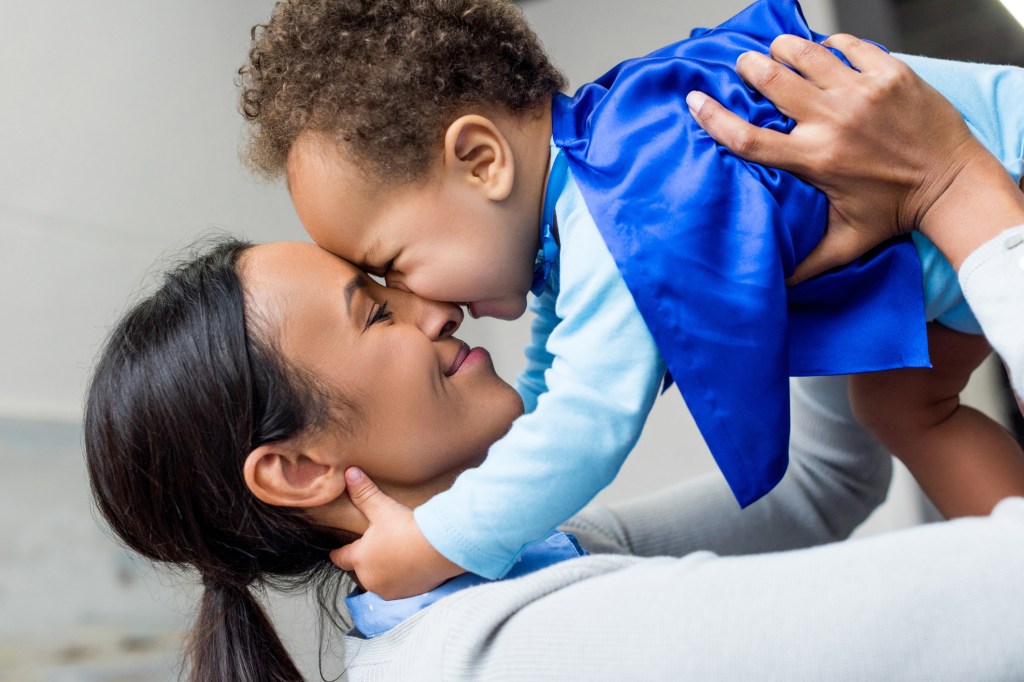
As mentioned in previous posts, humans depend on connection with others. No matter how independent you think you are, you would not be reading this were it not for the involvement of other people in your life who will have provided some level of provision of resources to meet your basic needs when you were most vulnerable.
At some point in your life, you depended on someone else to feed, clothe and clean you. Yet, as clearly necessary as those needs are, we must ask the rhetorical question Is it enough?
It is clear that simply providing the basics such as food, clothing & shelter does not fulfil all our needs. They might resolve our hunger, keep us warmer in the Winter and help prevent disease & infection, but they don’t go far enough to meet the less tangible needs we have, such as love, belonging, and connection with others. Indeed, our needs in these respects extend well beyond our individual needs to our collective needs as a species.
With this in mind, we will take our time to explore these needs over a series of posts. Rather than try to tackle a complicated human phenomena with a few general sentences.
So, it seems to me that a good place to start is at the start: Day 1. The day we are born.
At the end of the Cold War era the tragedy of childhood experiences in Romanian orphanages become known to the West. It was apparent to even the untrained eye that many of the children raised in these institutions had serious developmental issues that had life long consequences for them. These became a hot bed for study into the impact of human connection on childhood development and it soon became clear that even small variances in human interaction could have dramatic impacts.
The children in these institutions were so numerous and the institutions so understaffed that it was practically impossible for the staff to spend any amount of quality time with children. Regardless of how well trained staff may or may not have been, the lack of potential for personal interaction with the children had a huge impact on their development. But studies began to notice that the children in the cots near the doors adjacent to busier corridors seemed to suffer less severe symptoms relative to other children in the same ward. The reason soon became clear: As staff passed the wards, they would often stick their heads through the doors to see check that all was well and when they did so, they would often interact with the children near the doors.
This was no surprise to those in psychology circles. The work of people like Bowlby & Ainsworth had already pointed to the huge impact on our development of the quality of our relationships with our primary care givers.. Usually our parents.
Now, this is a fascinating subject and one that tempts me to write a lot more about but that is for another place & time. What I’m going to deliver are some focused details that can be most useful to you, in understanding yourself &, perhaps, your relationship with your children.
The impact of early years on our experience of the present day underlines the importance of looking at our past experiences and thinking about how that affects how we feel & think today; How we function both mentally & physically.
The importance of building strong bonds between children & parents are so well understood & recognised today that a simple trip to a local maternity ward illustrates this understanding whether it be at an intellectual level or simply as a felt human experience. New born babies are held in the arms & clutched to the chests of their mothers as soon as possible. You may also note shirtless fathers doing also doing so, engaging in the skin-to-skin contact considered to be so important for early bonding.
Our need for human connection is so profound for us that it goes well beyond serving our basic needs to support our existence. We need to feel loved unconditionally and safe from harm. In psychotherapy we talk about the need for a Secure Base to facilitate a positive attachment style.
So, how do we build a secure base?
- Hold and cuddle your baby.
- Use eye contact. Babies aren’t able to understand and use language in the way that adults can. Instead, connection and communication is more basic but happens through our actions, body language & sound of our voice.
- Listen to & watch your baby. Doing so conveys the implicit message to the child that he or she is worth paying attention to.
- When the baby cries, comfort it. When distress goes on without relief in any of us, our stress responses are activated and can cause both physical & psychological harm if they are allowed to persist or are frequently aroused.
- Use gentle warm tones when speaking to the baby. As with eye contact, use what communication opportunities available to you to convey a message of unconditional love, acceptance & safety.
- Have realistic expectations. For example, comparisons between the relative development of children is so prevalent that a pressure on children to develop ever faster can be very damaging. It is OK to be mindful of their development over time, but it is impossible for a child to develop as well as anyone on all fronts. We simply cannot be the best at everything!
- Be present with your thoughts & feelings in the moment. Our anxieties about our past, present and future affect us profoundly but can be better understood & managed with greater self-awareness; And, in doing so, we can parent more effectively and demonstrate the kind of skills & qualities that will serve our children well as they develop if they too, develop & use those skills & qualities.
- Be present with your child. Doing so conveys a message that they are worth your time & attention which helps develop a healthy sense of self-worth in them. You cannot be fully present with your child if your attention is elsewhere, such as on your phone. If being present with your child can help develop their sense of self-worth, consider the potential effect of not being present.
- Be self-aware. With so many distractions available to us we can often miss what is going on with ourselves at any moment in time. In doing so, we often miss our own personal cues about potential problems but also miss out on a full experience of the positives that life has to offer.
These are fairly simple steps that you can take to help your child develop a secure attachment style which can form the foundation for healthy relationship building in later life. Think about how your early life experiences may have affected your experiences in later life, your physical & mental health in the present.
If you would like to talk about mental health issues, whether it be for yourself or someone you know feel free to contact BroadMinds Therapy for help & advice. Call (+353) 0899420568, email help@broadmindstherapy.org , message us via this website, or visit our facebook page http://www.facebook,com/jpbroad for more information.
Finally, if you like what you read please like & share to help us reach & help as many people as possible.
Thanks for taking the time to read this article.

 Integrative Counselling And Psychotherapy