
Maybe you’ve been out for a few walks or runs over the past couple of weeks but it’s cold, wet & dark outside… and lonely. The diet might be in full swing but the left over chocolate biscuits from Christmas that you hid at the back of the cupboard in the hope you’d forget about it are calling. And they’re getting louder every day.

Whatever your New Year’s resolution is by now there may well be a sniff of doubt in the air. That doubt being… I’m not sure I can do this. Hopefully that thought hasn’t crossed your mind yet but at some point it probably will.
So let’s get ahead of the curve.. let’s plan for success & for the wobbles, the temptations, the relapses.
If you’ve not already done so I invite you to read our last few posts on identifying problem areas in our lives & goal setting so that you are starting out on the right foot with your goals, to begin with. Assuming that you have identified the things you would like to change in your life and set yourself SMART goals, let’s now think about how we maintain our efforts in trying to achieve these goals.
In addition, hopefully you’ve also managed to identify the various steps & milestones that map out your route to succeeding in your goals as well as identified the rewards you will reap if you achieve your goal.
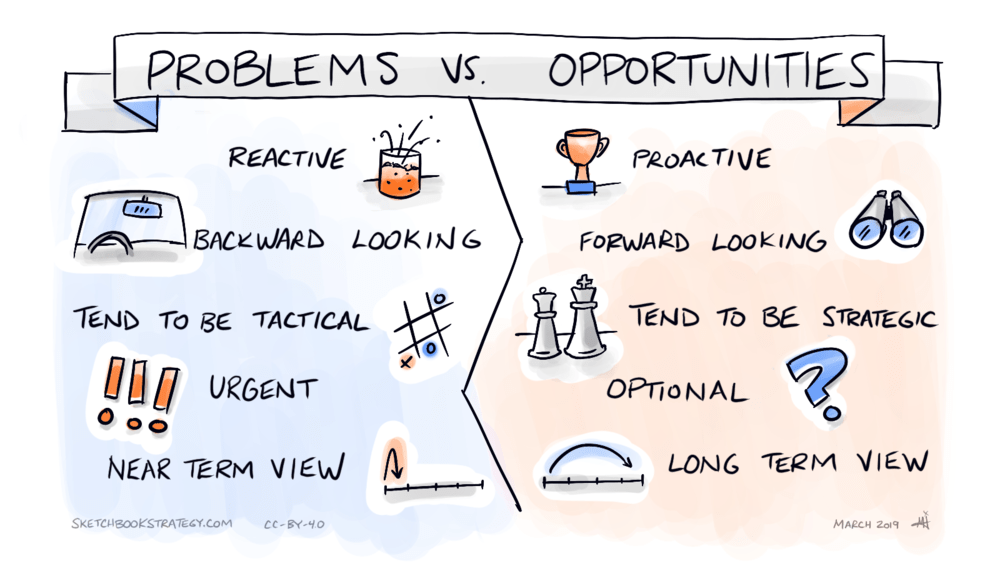
First up then: What is your attitude to problems? They’re bad news, right? Of course, we’d rather have a trouble-free life but if you see problems purely as a negative then you are missing half of the story. Problems can also be an opportunity for change & improvement. Achieving your goals will feel far greater if you’ve had to overcome a few problems on the way so learn to appreciate them and see them as an opportunity to learn.
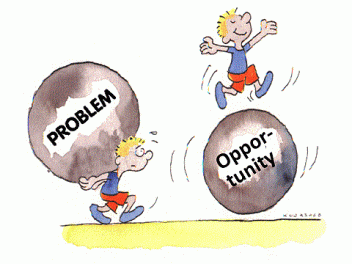
For example: Imagine you are planning to take part in a 10km fun run. You try running 10km the month before when training but you find yourself exhausted after 7km and having to walk the rest of the way home. You’re probably thinking how the hell am I going to manage 10km on the day? But step back from the problem and break it down:
- Assessment: Navigating any journey will be a lot easier if you know where you are when you start & where the finish is. It will also help if you check the signposts on the way. See that 7km run as a signpost. It tells you where you are right now with your fitness & skills and helps you work out what you need to do to achieve your goal. Without that disappointing experience you may not have see the signposts!
- Balance Credit & Critique: Sure, you didn’t run 10km but you did run 7km and walk 3km which is probably an improvement on where you started out! Give yourself a pat on the back for that.
- What Next? Refinement! You know you can run 7km. So you have options.. For example, you could run slower to reach that 10km goal; You also have a month to go before the fun run so you have more opportunity to improve your fitness. Use this as an opportunity to refine your plans & improve your chances of hitting your target.
Secondly, keep a journal of your efforts & performance. As you progress through the weeks, you will build up a picture of what is working well and what isn’t and this can be used to refine your plans. Don’t rely on your memory to do the work for you. Write down your experiences & use it to reflect on your experience with a view to refining your approach for the future.
Third, let’s now think about some of the challenges and obstacles that may get in the way of achieving our goals.
Common reasons for failing to achieve our goals:
- Setting unrealistic goals: For example, attempting to achieve too much too soon is a common mistake.
- Setting vague goals such as I want to lose some weight. Specify an amount with milestones that define a route towards achieving your goal.
- Having unreasonable or unrealistic expectations: For example, people are often surprised at how difficult it can be to break old habits and create new ones. Some estimates put the creation of new automatic behaviours as taking around 66 days while a relapse can take just one moment. Expecting change to be easy can be a big part of the problem.
- Trying to change too much at once. Implementing big changes to your lifestyle can be very challenging in itself. Incremental change is far more manageable. Don’t try to change too much at once. Think back to the Lewin model of change described in our last post: Unfreeze your current habits – then Change to the new behaviours – then Refreeze in your new position.
Fourth, develop a mission statement that clearly states what you want to achieve. Then think about the What, Why, Where, Who, & How in relation to your goal. We are going to extend this structure to also think about the obstacles & challenges that may stand in your way & look at ways of avoiding these pitfalls.
Share that mission statement with trusted friends & relatives. Hopefully they will be supportive and encourage you every step of the way.
Fifth, identify the likely obstacles & pitfalls that may stand in your way of achieving your goals. For example, if those biscuits in the back of your cupboard threaten to ruin your resolve in dieting then give them away. There will be no shortage of people who will be happy to relieve you of a chocolate biscuit burden. You could also replace those unhealthy snacks with healthy ones, such as fruit.
Sixth, develop a plan for each obstacle. For example, if you think that getting home after work and putting on your trainers to go for a run in the cold, wet & dark isn’t very appealing then consider finding a running buddy to run with. You are more likely to commit to the regime if you have a partner in crime, so to speak. Or consider running at a different time of day or even trying a different activity. In short, identify the problems that may lay ahead & then develop plans to deal with them.
Planning for success also includes planning for failure. What will you do if you fail in achieving your goals? Give up..? Or learn from the experience & try again? Failure is only ever complete if you fail to learn from it so think about how you can do that and motivate yourself to go again ahead of any failure.
Finally, be kind to yourself! At regular intervals reward your achievements in meeting your milestones on the way to achieving your overall goal. For example, if your aim is to lose a certain amount of weight with a combination of diet & exercise and you hit your target of losing, say, 1 kilo a week, then consider rewarding yourself with a treat if you hit those targets once each month.
If you would like to talk about your goals, hopes & dreams or help with a mental health issue then reach out to us at BroadMinds Therapy. We remain open for business as usual and offer a free consultation.
Our contact details are as follows:
Web: http://www.broadmindstherapy.org
Web: www.broadmindstherapy.org
Email: help@broadmindstherapy.org
Phone: (+353) 0899420568
Finally, if you like what you read please remember to like & share to help us reach & help as many people as possible.
Wishing you a very Happy New Year. Take care & stay safe.
Thank you for taking the time to read this.

 Integrative Counselling And Psychotherapy